Prime Minister Narendra Modi will lay the foundation stone for the Kaziranga Elevated Corridor Project on Sunday, 18 January, at Kaliabor in Assam’s Nagaon district, marking the start of one of India’s most ambitious wildlife-friendly highway initiatives. Valued at nearly ₹6,950 crore, the project aims to modernise road infrastructure while safeguarding the fragile ecology of the Kaziranga landscape.
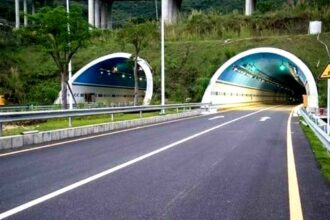
The project involves the four-laning of the Kaliabor–Numaligarh section of National Highway 715 and has been specifically designed to minimise human–wildlife conflict in one of the country’s most environmentally sensitive regions. Spanning around 86 kilometres, the corridor integrates three major components: a 35-kilometre elevated wildlife corridor passing through Kaziranga National Park, 21 kilometres of bypasses, and 30 kilometres of widening of the existing two-lane highway into a four-lane carriageway.
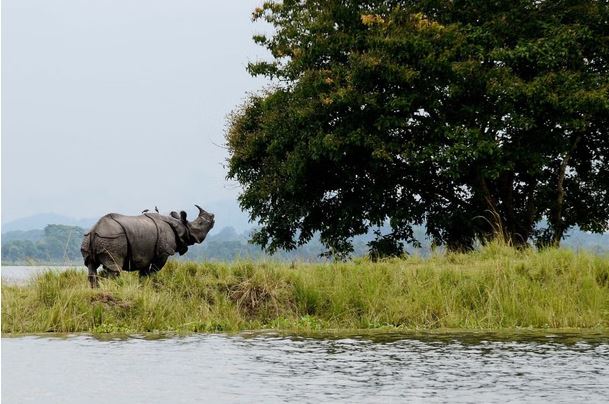
The elevated section is the project’s defining feature, allowing uninterrupted movement of wildlife beneath the highway. This is particularly critical during the monsoon season, when animals migrate from the floodplains of Kaziranga to higher ground in the Karbi Anglong hills. The corridor will pass over nine identified animal movement paths, addressing a long-standing conservation challenge along the busy highway.
Currently, the stretch carries between 5,000 and 6,000 vehicles daily, with traffic volumes posing serious risks to wildlife during seasonal migrations. Over the last five years, dozens of large mammals, including elephants, rhinos and endangered hog deer, have been killed in road accidents in the Kaziranga region, underlining the urgent need for a safer infrastructure solution.
Approved by the Cabinet Committee on Economic Affairs, the project will traverse Nagaon, Karbi Anglong and Golaghat districts, significantly enhancing connectivity to Upper Assam, including key industrial and economic centres such as Dibrugarh and Tinsukia. The plan also includes greenfield bypasses at Jakhalabandha and Bokakhat to ease congestion in town areas.
Beyond conservation and connectivity, the project is expected to deliver strong economic benefits. Construction activities are projected to generate nearly 35 lakh person-days of direct and indirect employment, providing a substantial boost to local livelihoods and regional development.
Once completed, the Kaziranga Elevated Corridor is expected to set a national benchmark for integrating large-scale transport infrastructure with wildlife conservation, reinforcing India’s commitment to sustainable development in ecologically critical regions.