The story of human progress has always been written in concrete, steel, and stone. Every road that connects communities, every bridge that spans distances, every building that shapes a city skyline stands as a testament to the transformative power of construction. Yet, as the world confronts the realities of climate change, resource depletion, biodiversity loss, and growing urbanization, the industry finds itself at a defining crossroads. The question is no longer how much we can build, but how responsibly we can build for generations to come.
World Environment Day serves as a timely reminder that economic development and environmental stewardship must move forward together. As nations pursue ambitious infrastructure goals and cities continue to expand at an unprecedented pace, the construction sector is being called upon to rethink conventional practices and embrace a future rooted in sustainability, resilience, and innovation. The challenge is immense, but so is the opportunity. Today, sustainability is emerging not as a constraint on growth but as a catalyst for transformation, inspiring new materials, smarter technologies, cleaner energy solutions, and more efficient project delivery models.
Across the construction value chain, a profound shift is underway. Green buildings are becoming the benchmark rather than the exception. Renewable energy is increasingly powering construction operations. Digital technologies such as AI, IoT, BIM, and advanced analytics are enabling greater efficiency while minimizing waste. Circular economy principles are encouraging the reuse and recycling of materials, while manufacturers are investing in cleaner production processes and low-carbon equipment. What was once viewed as an environmental obligation is now being recognized as a business imperative that enhances competitiveness, strengthens resilience, and creates long-term value.
At the same time, the industry’s sustainability journey extends far beyond carbon emissions and energy efficiency. It encompasses the preservation of natural ecosystems, responsible resource management, water conservation, worker well-being, and the creation of infrastructure that can withstand the environmental challenges of the future. The projects being designed today will influence communities, economies, and ecosystems for decades to come, making every decision a reflection of the industry’s commitment to a more sustainable world.
In this special World Environment Day feature, Construction Mirror brings together the perspectives of visionary leaders who are helping shape this transformation. Their insights reflect not only the progress being made across the sector but also the evolving mindset that sustainability and growth are not opposing forces but complementary pillars of future development. Through innovation, leadership, and a shared sense of responsibility, these industry pioneers are demonstrating how construction can become a powerful force for environmental progress while continuing to build the foundations of modern society.
As we celebrate World Environment Day, this collection of viewpoints offers more than a snapshot of current sustainability efforts. It presents a forward-looking vision of an industry that is redefining its relationship with the environment, embracing accountability, and laying the groundwork for a future where infrastructure development and ecological preservation advance hand in hand. The path toward a greener tomorrow is being built today, and the construction sector has a critical role in ensuring that progress leaves a positive legacy for generations to come.
As the construction industry continues its journey toward a more sustainable and environmentally conscious future, the voices of its leaders provide valuable insights into the challenges, opportunities, and innovations shaping this transformation. On the occasion of World Environment Day, Construction Mirror invites you to explore the perspectives of industry pioneers who are championing greener practices, cleaner technologies, and responsible growth across the sector.
Let us hear from these leaders as they share their vision for building infrastructure that not only drives progress but also safeguards the environment for generations to come.
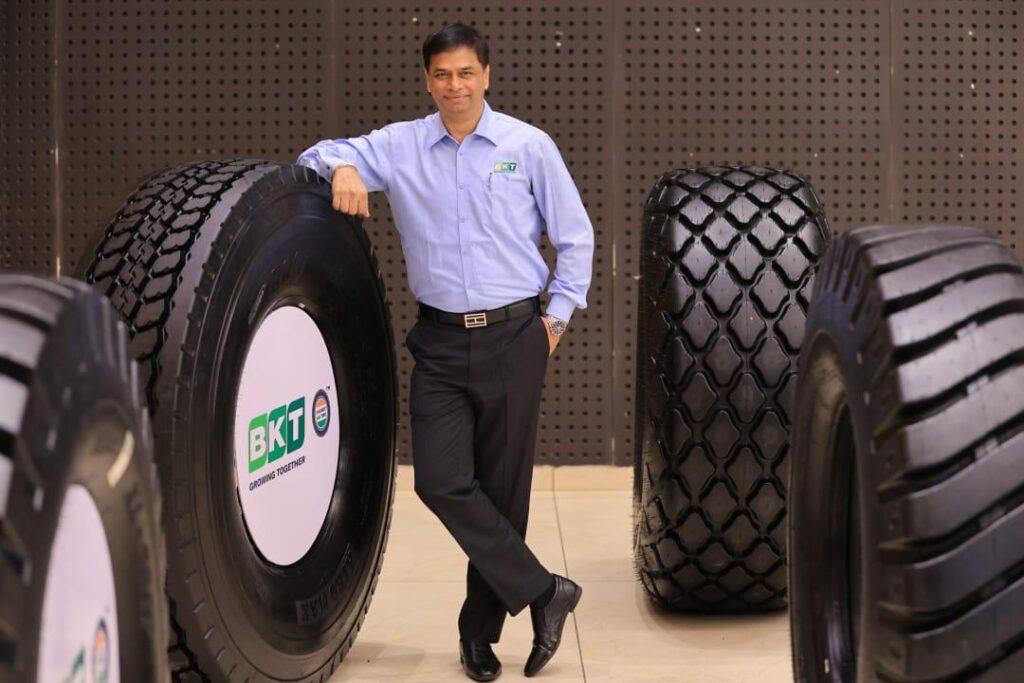
Mr. Ratnesh Sinha, General Manager – Industrial Tyres, BKT – “At BKT Tyres, sustainability is not a standalone initiative, it is embedded into every stage of our operations, from raw material sourcing to advanced tyre manufacturing. Through continuous investment in R&D and process innovation, we are steadily increasing the use of renewable materials across operations.
A key enabler of this journey is BKT Carbon, our integrated carbon black manufacturing facility at Bhuj, which strengthens supply chain resilience while significantly lowering our environmental footprint. The plant operates as a zero-liquid-discharge (ZLD) facility with complete water recycling, and our integrated production model has enabled the adoption of a pneumatic transfer system that eliminates nearly 100,000 bulk bags annually, reduces energy consumption by up to 70%, and cuts more than two million kilograms of CO₂ emissions every year. Alongside this, initiatives involving reclaimed rubber, recycled steel, feedstock reuse, renewable energy adoption, and the recycling of over 98% of process waste reinforce our commitment to circularity.
By combining vertical integration, responsible manufacturing, and sustainable material innovation, BKT Tyres is delivering high-performance tyre solutions that create long-term value for customers while supporting the industry’s transition toward a more sustainable future.”
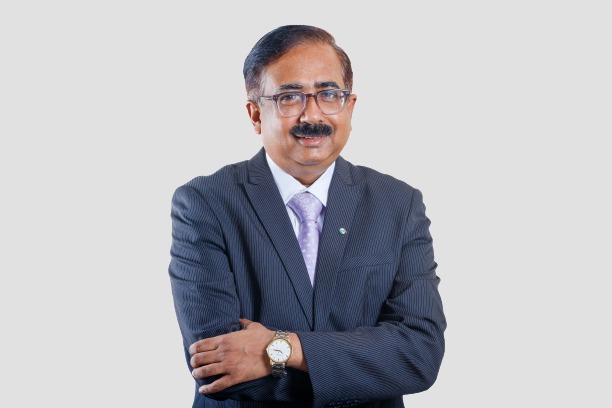
Mr. Jayanta Ray, VP Industrial, OEM and ESG GS Caltex – “GS Caltex is committed to fulfilling our social responsibilities as a corporate citizen and becoming a respected company through enhanced sustainability.
We are actively reducing greenhouse gas emissions across all stages of our business value chain in line with global carbon reduction trends and are actively promoting businesses that support the transition to a lower carbon society.
We have established organizational systems and management frameworks for GHG reduction in existing businesses, identifies and implements GHG reduction projects/activities throughout all processes e.g. Introduction of carbon reduction initiatives such as expanding in-house power generation, adopting carbon-free steam, and direct renewable energy PPA
GS Caltex actively pursues lower carbon business such as bio, recycling, and gas (hydrogen, CO2) in response to the energy transition trend
Our organization has already established a management system to minimize environmental impacts and continuously strive to reduce pollutant emissions, including air, water, waste, hazardous chemicals, and soil management.”
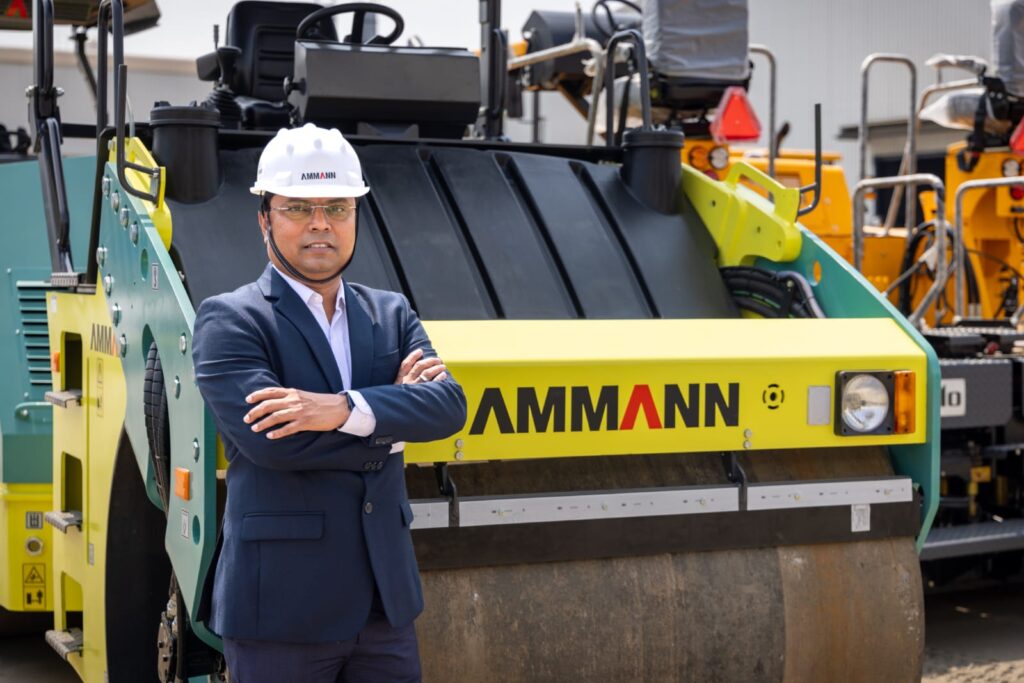
Mr. Dheeraj Panda, Managing Director, Ammann India – “Sustainability is the cumulative outcome of thousands of decisions made every day across industries, supply chains, and project sites. In infrastructure, those decisions are particularly consequential because the roads and assets we build today will serve generations to come. For decades, the industry measured progress in tonnes produced, kilometres paved, and projects completed. The next era will be measured differently by how effectively we reduce dependence on virgin materials, minimise energy consumption, and unlock value from resources already within our roads.
What appears to be an environmental decision is, at its core, a strategic one. In a world shaped by climate pressures, resource scarcity, supply chain disruptions, and geopolitical uncertainty, every tonne of virgin aggregate avoided, every litre of fuel saved, and every percentage of recycled material returned to the construction cycle strengthens both sustainability and resilience.
The road ahead belongs to technologies and practices that challenge traditional assumptions: higher utilisation of Reclaimed Asphalt Pavement (RAP), adoption of alternative materials, intelligent plant automation, digital optimisation of fuel and energy consumption, and the transition away from coal-based processes. At Ammann India, we believe the most sustainable road is not simply one with a lower carbon footprint. It is one that delivers superior performance while consuming fewer natural resources, less energy, and generating less waste. As India builds the infrastructure backbone of its economic future, sustainability must move from the margins to the blueprint.”

Mr. R Haridoss, CEO, Power Build Private Limited – “World Environment Day reminds us that sustainability is no longer a choice, it is a responsibility that every industry must embrace. As the construction and infrastructure sectors continue to drive economic growth and development, we must ensure that progress is achieved in a way that respects and protects our environment.
At Power Build Private Limited, we believe that sustainable development begins with efficient engineering. Energy-efficient power transmission solutions, reliable equipment, and long-lasting products play an important role in reducing energy consumption, minimizing waste, and improving overall operational efficiency across industries.
The future of manufacturing and infrastructure will be defined not only by innovation and productivity but also by environmental responsibility. Businesses must continuously invest in technologies, processes, and practices that support resource conservation and lower environmental impact.
World Environment Day serves as a reminder that every step towards sustainability, no matter how small, contributes to a larger positive impact. By working together, industries can build infrastructure that supports economic progress while preserving resources for future generations.”

Ms Aparna Reddy, Aparna Executive, – “The construction and infrastructure sector plays a vital role in shaping a greener and more resilient future by adopting sustainable materials, resource-efficient processes, and innovative building practices.
As urbanization and infrastructure investment continue, the sector’s importance to sustainability will grow. The global cement industry is responsible for 7–8% of global CO emissions while the buildings sector is responsible for roughly one-third of total global emissions, underscoring the necessity to fast track the decarbonization of the value chain.
The transition to low-carbon, green and sustainable building materials such as green cement, sustainable ready-mix concrete (RMC) and supplementary cementitious materials will help to cut emissions from construction projects without sacrificing the performance and durability expected from today’s infrastructure. Blended cements is being adopted at a faster rate in India and there is promising solutions like Limestone Calcined Clay Cement (LC3) which can offset 30-40% of carbon emissions from conventional cements, and it illustrates the way innovative technology can help reduce the sector’s footprint. At the same time, progress will remain tied to the circular economy promoting responsible sourcing, waste reduction, recycling and material recovery, minimizing construction and demolition waste, optimizing resource use and foster resource circularity in the sector.
Infrastructure and construction will also benefit from technological innovations, which will help deliver energy-efficient and smarter buildings and improve operational efficiency. At the same time, investments in climate-resilient infrastructure, renewable energy integration and sustainable urban development will pave the way for a more environmentally and economically secure future.
World Environment Day provides an opportunity to reaffirm our collective responsibility to create more sustainable and environmentally friendly societies. By effectively harnessing collective efforts, innovation and cooperative actions towards environmental sustainability, the construction sector plays a pivotal role in achieving a greener future for all.”
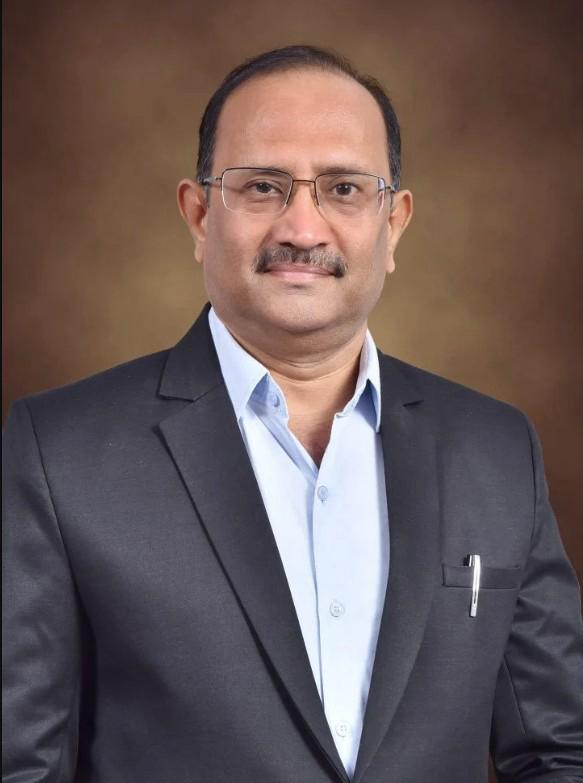
Mr. Rajendra K Jain, Director Operations and Chief Executive Officer, Capacit’e Infraprojects Ltd – “World Environment Day serves as an important reminder that sustainable development is not merely an option, it is a shared responsibility that every stakeholder in the construction ecosystem must uphold. As India continues its rapid urban and infrastructure transformation, the industry has a pivotal role in ensuring that growth is driven by environmental consciousness, resource efficiency, and long-term resilience.
At Capacit’e Infraprojects, sustainability is increasingly embedded in the way we design, plan, execute and deliver projects. We actively promote green building practices and support the adoption of globally recognized standards such as IGBC and LEED certifications, which enhance energy performance, optimize resource utilization, and minimize environmental impact across a building’s lifecycle. Our commitment extends beyond construction to creating healthier, future-ready spaces that add lasting value to communities and the environment.
As we build the cities of tomorrow, environmental stewardship, responsible resource management, and innovation-led execution will remain at the core of our approach. On this World Environment Day, we reaffirm our commitment to advancing sustainable urban development and delivering infrastructure that balances progress with environmental responsibility for generations to come.”
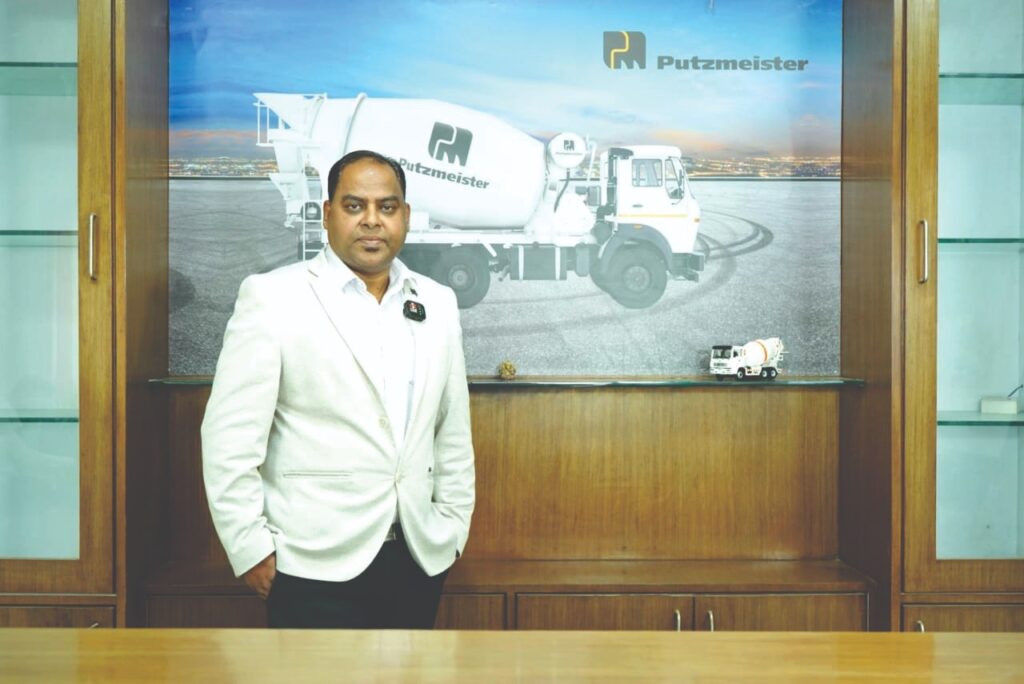
Ashutosh Sinha, Business Head, Transit Mixer, Putzmeister Concrete Machines, – “World Environment Day serves as a powerful reminder of our collective responsibility to balance economic growth with environmental stewardship. As nations accelerate efforts to address climate change, the construction and infrastructure sector has a critical role to play in enabling sustainable development through innovation, efficiency, and responsible resource utilization.
India has demonstrated strong commitment towards climate action through its Nationally Determined Contributions (NDCs), including reducing the emissions intensity of its GDP by 45% from 2005 levels and achieving 50% of installed power capacity from non-fossil fuel sources by 2030. These ambitious goals require active participation from every industry, particularly construction, which forms the backbone of the country’s infrastructure growth.
The concrete and construction equipment industry is undergoing a significant transformation as it embraces cleaner technologies, electrification, hybrid solutions, and sustainable operational practices. Reducing dependence on conventional diesel-powered equipment can substantially lower greenhouse gas emissions, improve air quality, reduce noise pollution, and enhance overall operational efficiency while supporting evolving ESG commitments.
At Putzmeister, we believe innovation must drive sustainability. Our advancements in electric and hybrid concrete equipment, including solutions such as the iONTRON Electric Mixer and Hybrid Electric Boom Pump, demonstrate how technology can help the industry reduce its environmental footprint without compromising productivity or performance. These innovations offer a practical pathway for construction companies to contribute to India’s climate objectives while improving long-term business competitiveness. World Environment Day is not merely an occasion for reflection; it is an opportunity to accelerate action. By investing in low-emission construction technologies and adopting sustainable business practices, the industry can help build cleaner cities, resilient infrastructure, and a greener future for generations to come.”
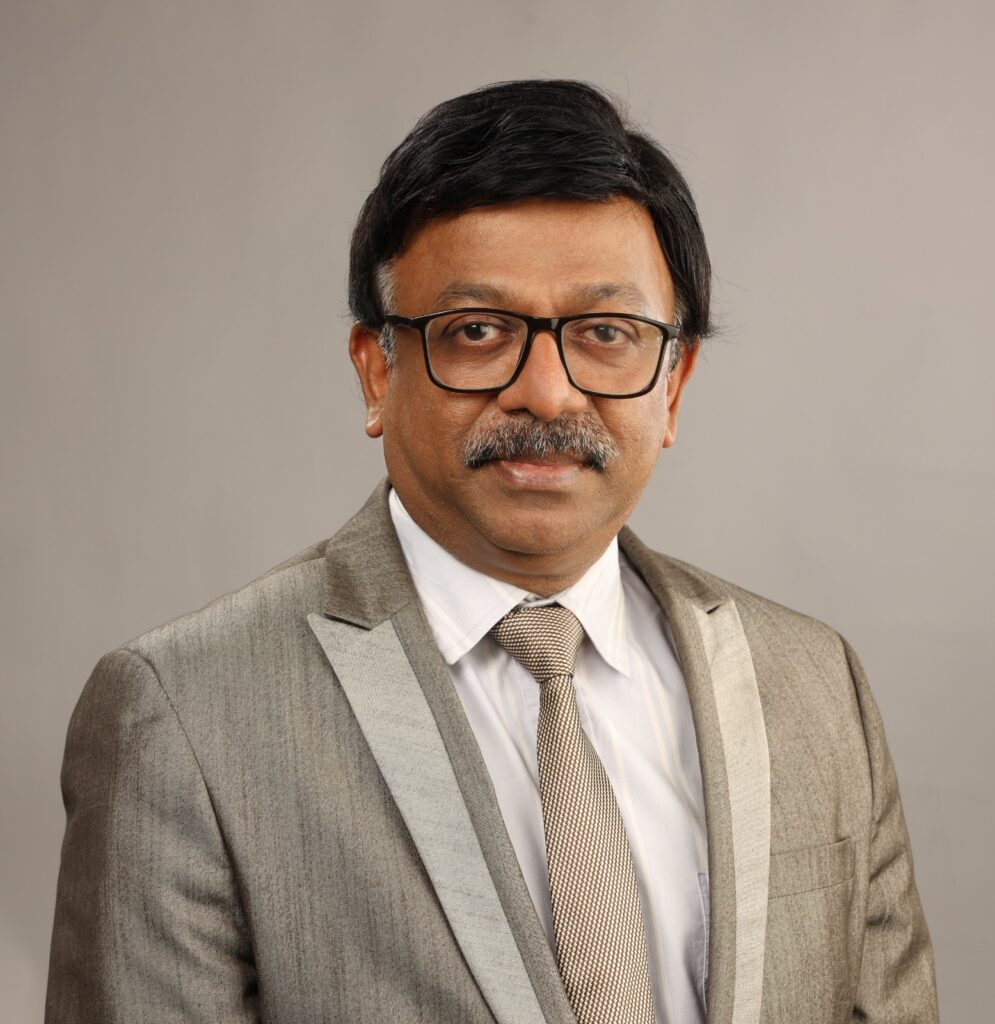
Mr. Biju Mahima, CEO, U-Sphere – “The future of the construction industry will be defined by its ability to deliver infrastructure that is efficient, scalable, and sustainable. Environmental considerations are no longer limited to compliance requirements; they are increasingly influencing project design, engineering decisions, material selection, execution methodologies, and lifecycle performance.
At U-Sphere, sustainability is embedded within our 3S philosophy, Speed-Build, Smart-Build, and Sustain-Build. We believe that some of the most significant environmental gains in construction come from building with greater precision and predictability. By leveraging pre-engineered steel systems, design-led engineering, and integrated project delivery, we are able to minimise rework, reduce on-site disruption, optimise material consumption, and shorten project timelines. As infrastructure requirements continue to grow, the industry must move towards construction models that deliver higher performance with a lower environmental footprint. Sustainability, therefore, is not just about conserving resources, it is about fundamentally improving how infrastructure is planned, engineered, and executed.”