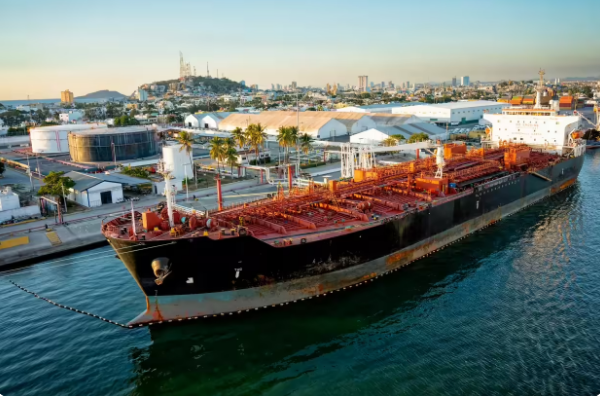
The Ministry of Ports, Shipping and Waterways has notified detailed guidelines for the implementation of a comprehensive shipbuilding and maritime support package worth ₹69,725 crore, approved by the Union Cabinet in September. The initiative aims to position India among the world’s leading shipbuilding and ship-owning nations, targeting a top-10 global ranking by 2030 and a top-5 position by 2047.
The framework includes multiple components such as the Shipbuilding Financial Assistance Scheme (SBFAS), expansion of existing shipyard capacity, development of greenfield shipbuilding clusters, and a risk-coverage mechanism to protect shipyards against financial losses during vessel construction.
Under the SBFAS, which has an allocation of ₹20,416 crore, financial support will be provided for the construction of large, green, and specialised vessels. For vessels costing up to ₹100 crore, assistance will be capped at 15 per cent of the actual cost. For higher-value vessels, 15 per cent support will apply to the first ₹100 crore, with 20 per cent assistance on the remaining cost. Specialised vessels will be eligible for support of up to 25 per cent on the balance cost.
To ease cash-flow pressures on shipyards, financial assistance will be released in stages, 30 per cent at keel laying, 40 per cent at vessel launch, and the remaining 30 per cent upon delivery, with securities released after completion.
The scheme also covers vessels ordered by government agencies, public sector undertakings, and export orders, including those for foreign defence forces, subject to specified limits. Provisions have also been included to allow the use of shipbreaking credit notes earned from dismantling old vessels for new shipbuilding contracts.
In addition, the government plans to provide grants of up to ₹1,500 crore per shipyard for the expansion of brownfield facilities. Greenfield shipbuilding clusters will be developed as plug-and-play hubs, each with approximately 2 km of waterfront and around 2,000 acres of land to support shipyards, ancillary industries, infrastructure, and common facilities. Each cluster is expected to have an annual capacity of about 1.2 million gross tonnage, with at least one anchor yard capable of handling 0.5 million gross tonnage within ten years of commissioning.
The guidelines were finalised on December 26 following consultations with industry stakeholders, marking a significant step towards strengthening India’s shipbuilding ecosystem and enhancing its global competitiveness.