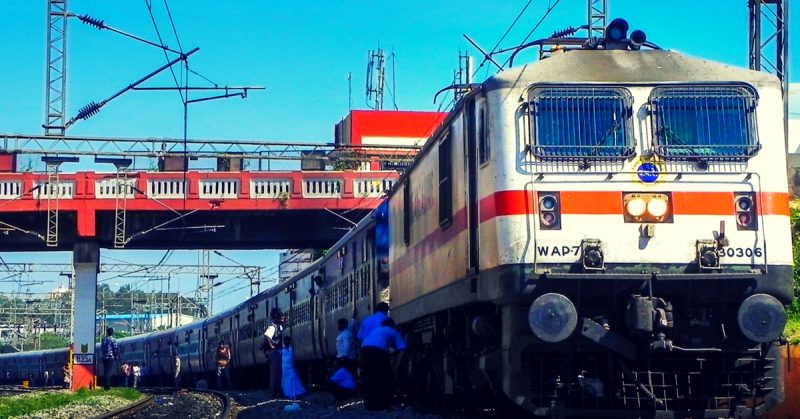
Indian Railways continued its growth momentum in May 2026, registering freight loading of approximately 145 million tonnes while carrying more than 61 crore passengers across its network.
According to official data, the railway network transported around 145 million tonnes of freight during the month, reflecting sustained demand from key sectors such as coal, cement, steel, foodgrains, fertilisers, petroleum products, and container cargo.
Passenger traffic also remained robust, with more than 61 crore passengers travelling on the network during May. The growth highlights the continued recovery and expansion of rail-based mobility across suburban, non-suburban, and long-distance routes.
Officials stated that freight operations remain a major revenue driver for Indian Railways, supported by ongoing investments in capacity augmentation, dedicated freight corridors, track modernisation, and logistics infrastructure.
The strong freight performance has been aided by improved operational efficiency, higher wagon availability, better terminal infrastructure, and increased focus on attracting cargo from road transport to rail.
Indian Railways has been implementing several initiatives aimed at improving freight competitiveness, including faster cargo handling, enhanced multimodal connectivity, private freight terminals, and digital logistics solutions.
Passenger services have also witnessed steady growth due to increasing demand for affordable and reliable transportation, expansion of train services, station redevelopment projects, and improvements in passenger amenities.
Officials noted that ongoing investments in railway electrification, signalling upgrades, track expansion, and network modernisation are helping improve operational reliability and capacity across the system.
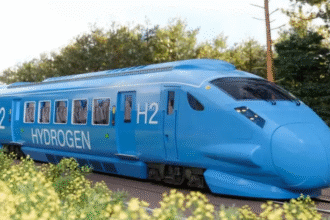
The continued growth in freight and passenger traffic comes amid significant infrastructure development across the railway sector, including the commissioning of new lines, gauge conversion projects, dedicated freight corridors, and the rollout of advanced train technologies.
Indian Railways has also been focusing on sustainability initiatives through large-scale electrification, renewable energy adoption, and energy-efficiency measures aimed at reducing operational costs and carbon emissions.
Industry experts believe the strong performance recorded in May reflects the railway sector’s growing role in supporting economic activity, industrial growth, logistics efficiency, and passenger mobility across the country.
With continued investments in infrastructure and technology, Indian Railways is expected to further strengthen its position as one of the world’s largest transportation networks while contributing significantly to India’s long-term economic and connectivity goals.