The Government of India is preparing an emergency credit support package of around ₹4,000 crore to provide financial relief to domestic airlines facing severe operational stress due to the ongoing Iran conflict, fuel price volatility, and route disruptions.
The proposed scheme aims to extend liquidity support through bank loans with sovereign guarantees, helping airlines manage rising working capital requirements at a time when profitability has come under pressure. The support is expected to include credit lines with partial government backing, allowing airlines to access funding more easily during the crisis period.
The aviation sector has been significantly impacted by the Iran war-related disruptions in West Asia, including restricted airspace routes and increased flight distances, which have forced airlines to reroute international operations via longer and costlier paths. These changes have sharply increased fuel consumption and operating costs.
At the same time, global jet fuel prices have surged due to supply chain disruptions linked to the conflict, adding further financial strain on carriers already dealing with high debt levels and weak post-pandemic balance sheets.
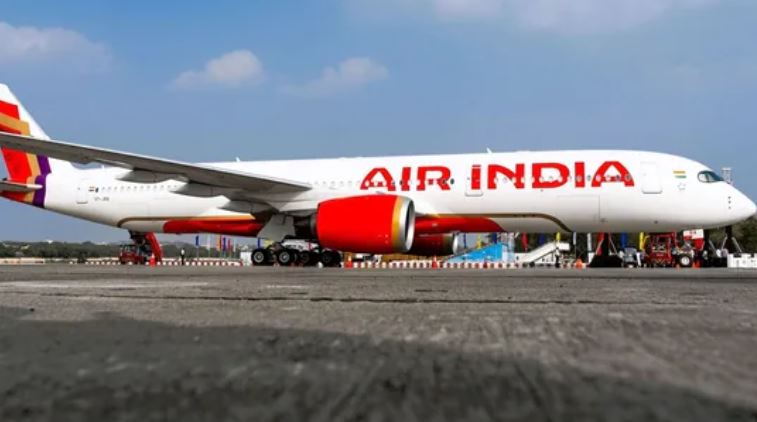
Airlines such as IndiGo, Air India, and SpiceJet have been among the most affected, with industry players already seeking government intervention in the form of tax relief, reduced airport charges, and fare-related regulatory easing.
Recently, the government has also introduced temporary relief measures such as a 25% reduction in airport landing and parking charges, aimed at reducing operational costs for carriers. However, the industry continues to face pressure from fuel surcharges, route disruptions, and constrained international capacity.
The proposed ₹4,000 crore credit line is seen as a short-term stabilisation measure, intended to ensure liquidity flow in the sector and prevent further financial distress, while maintaining uninterrupted air connectivity across domestic and international routes.
Officials indicate that the support package is part of a broader effort to stabilise critical infrastructure sectors impacted by global geopolitical instability, particularly aviation, which is highly sensitive to fuel prices and international airspace access.
The final structure of the scheme is expected to be detailed after consultations with banks, airlines, and aviation regulators in the coming days.