India is determined to build a world-class shipbuilding ecosystem and strengthen its position as a leading maritime nation, Union Minister for Ports, Shipping and Waterways Sarbananda Sonowal said.
Addressing the formal opening of the third edition of Sagarmanthan: The Great Oceans Dialogue in New Delhi, Sonowal said the global maritime sector is undergoing significant disruption, fragmentation and technological change. He said India intends to use this transformation to build resilient supply chains, green shipping corridors, a world-class shipbuilding ecosystem and a skilled seafaring workforce.
Sonowal said Maritime Amrit Kaal Vision 2047 provides the roadmap for India’s maritime development and offers opportunities for international partners to participate in the country’s expanding maritime ecosystem.
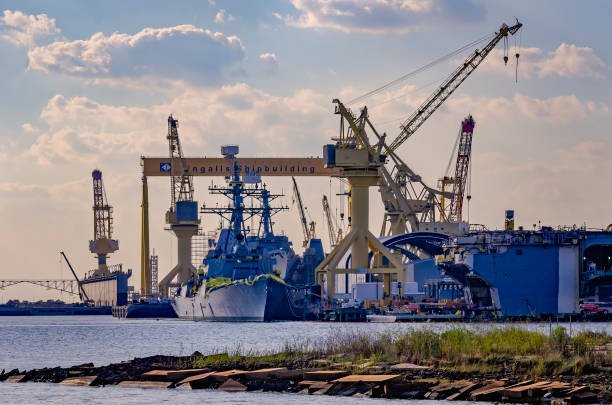
The minister highlighted shipbuilding as a key component of India’s broader maritime growth strategy. The government has been working to expand domestic shipbuilding capacity, strengthen maritime manufacturing and develop industrial clusters that can support the construction of larger and technologically advanced vessels.
Domestic shipbuilding output increased 41%, from 40,923 gross tonnes in 2024 to 57,637 gross tonnes in 2025, according to the Ministry of Ports, Shipping and Waterways. The government has also granted in-principle approval for greenfield shipbuilding clusters in Tamil Nadu, Andhra Pradesh and Gujarat, with each cluster planned to have a capacity of 1.2 million gross tonnes.
Similar approvals for shipbuilding clusters in Maharashtra and Odisha are expected as part of the government’s wider effort to expand the country’s shipbuilding infrastructure. A tripartite memorandum of understanding has also been signed with HD Hyundai-KSOE for the development of a shipbuilding cluster in Tamil Nadu.
The government has extended financial support for common maritime infrastructure required for these industrial ecosystems. The expansion is aimed at creating a stronger domestic manufacturing base and improving India’s ability to compete in the global shipbuilding market.
The value of vessels being built domestically has also increased significantly. The average contract value per vessel has risen more than fivefold to ₹212 crore from ₹41 crore, indicating a shift towards the construction of larger and more technologically advanced ships.
Sonowal said India’s maritime ambitions extend beyond shipbuilding to include shipping, ports, waterways, green fuels and the development of skilled manpower. He emphasised the need for stronger partnerships with countries and companies across the global maritime ecosystem.
The government had earlier approved a ₹69,725-crore comprehensive package to strengthen India’s shipbuilding and maritime ecosystem. The package includes an extended Shipbuilding Financial Assistance Scheme, support for shipyard development, maritime financing, technical capabilities and skilling, along with policy and regulatory reforms.
Sonowal has also called on the Shipping Corporation of India to play a leading role in building India’s maritime capacity and supporting the country’s ambition to become a major shipbuilding and ship-owning nation by 2047. SCI currently operates 58 vessels with a combined capacity of 5.26 million deadweight tonnes.
The minister said the transformation of India’s maritime sector would require collaboration among governments, shipyards, shipping companies, technology providers, financial institutions and skilled professionals. The government is positioning this ecosystem as an important contributor to the country’s Viksit Bharat 2047 objective.