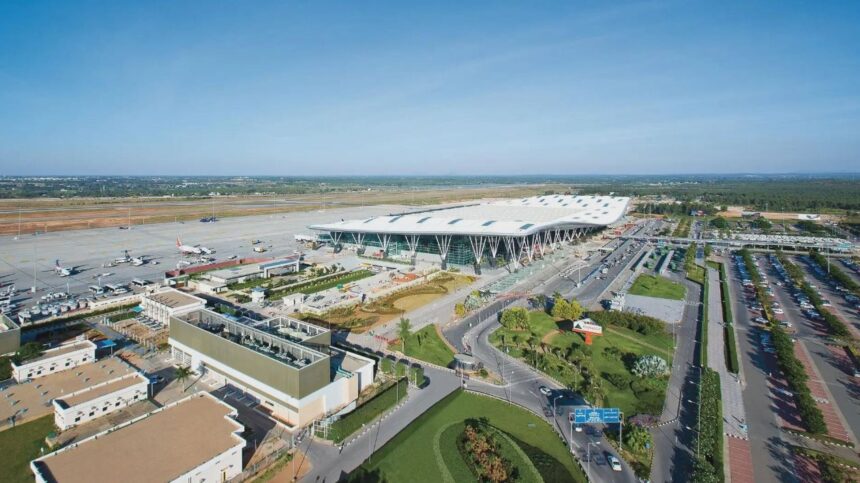
The Centre has designated Delhi, Mumbai, Bengaluru and Rajkot airports as international transit centres, a move aimed at strengthening India’s position in global aviation and attracting a larger share of international connecting passengers who currently transit through major Gulf hubs.
The decision is part of a broader strategy to develop India as a global aviation gateway by improving connectivity between international and domestic networks. The designated airports are expected to play a key role in facilitating seamless transit operations for passengers travelling between regions such as Europe, North America, Southeast Asia, Australia and the Indian subcontinent.
The initiative is intended to support the growth of Indian carriers operating long-haul international routes while enhancing the country’s competitiveness in the global transit market. Aviation hubs in the Gulf have traditionally dominated transit traffic connecting Asia, Europe and Africa, and India is seeking to leverage its geographical position to attract a larger share of these passenger flows.
The four airports were selected based on factors such as infrastructure capacity, international connectivity, passenger handling capabilities and future expansion potential. Delhi, Mumbai and Bengaluru already handle significant international traffic, while Rajkot’s inclusion reflects the government’s plans to develop new aviation infrastructure with long-term hub potential.
The designation is expected to facilitate policy measures aimed at improving transit passenger experience, reducing transfer times and encouraging airlines to build larger connecting networks through Indian airports. It also aligns with ongoing investments in airport modernisation, terminal expansion and air connectivity across the country.
The move comes as India’s aviation sector continues to witness strong growth in both domestic and international passenger traffic. With airlines expanding their fleets and adding new overseas routes, the government is positioning key airports to serve not only as origin and destination points but also as major transit gateways for global travellers.
The development forms part of India’s wider ambition to emerge as a leading aviation hub, supported by expanding airport infrastructure, growing airline capacity and increasing international connectivity.