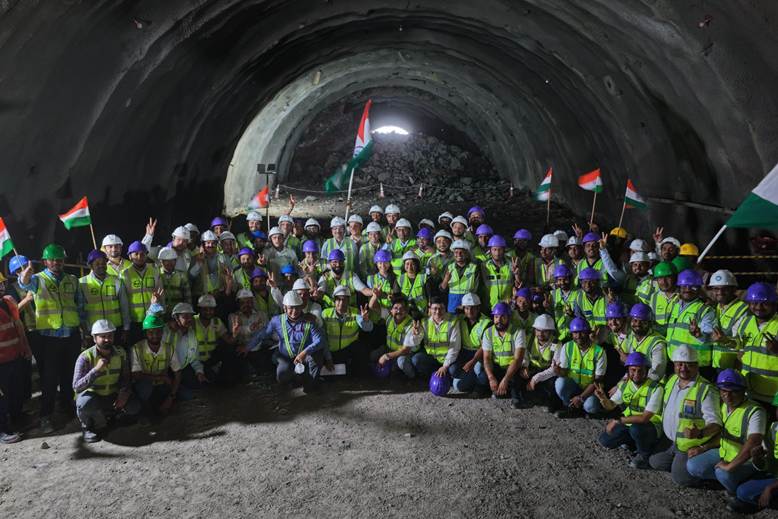
The Mumbai–Ahmedabad High-Speed Rail (MAHSR) project has achieved another significant construction milestone with the successful completion of the third tunnel breakthrough in Maharashtra, further accelerating progress on India’s first bullet train corridor.
Railway Minister Ashwini Vaishnaw announced the development, highlighting the rapid pace of construction being achieved across various sections of the high-speed rail project.
According to officials, the latest breakthrough was achieved using advanced tunnelling techniques and forms part of the extensive underground infrastructure being developed for the corridor. The accomplishment marks continued progress in one of the most technically challenging portions of the project.
The Mumbai–Ahmedabad Bullet Train project spans approximately 508 kilometres and is being implemented by National High Speed Rail Corporation Limited (NHSRCL). The corridor will connect major cities across Gujarat and Maharashtra through high-speed rail services capable of operating at speeds of up to 320 kmph.
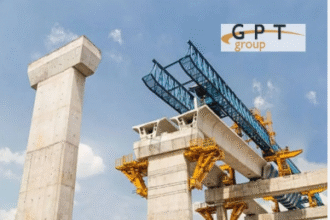
Officials stated that construction activities are progressing simultaneously across multiple sections of the alignment, including viaducts, stations, bridges, depots, track works, and tunnel packages.
The tunnel works in Maharashtra are considered among the most complex engineering components of the project due to challenging geological conditions, urban constraints, and the need for advanced construction methodologies.
The bullet train corridor will feature 12 stations and is expected to significantly reduce travel time between Mumbai and Ahmedabad while providing a modern, high-capacity transportation alternative.
Construction progress has accelerated over the past year, with substantial advances reported in civil works, bridge construction, station development, and track infrastructure across the route.
Officials noted that the project is also contributing to technology transfer, skill development, and the adoption of advanced railway engineering practices in India through collaboration with Japanese high-speed rail expertise.
Once operational, the corridor is expected to enhance regional connectivity, support economic activity, reduce travel times, and promote sustainable transportation by shifting a portion of intercity travel from road and air transport to high-speed rail.
Industry experts believe the successful completion of multiple tunnel breakthroughs reflects growing momentum in the project and demonstrates India’s increasing capability in executing large-scale, technologically advanced transportation infrastructure projects.
The Mumbai–Ahmedabad High-Speed Rail corridor remains one of India’s flagship infrastructure projects and is expected to play a transformative role in the country’s future transportation landscape.