The National Highways Authority of India (NHAI) has made Automated and Intelligent Machine-Aided Construction (AI-MC) technology mandatory for highway projects that are more than 20 km long and have a project cost exceeding ₹500 crore. The move is aimed at improving construction quality, strengthening monitoring and addressing concerns over premature deterioration of highways and expressways.
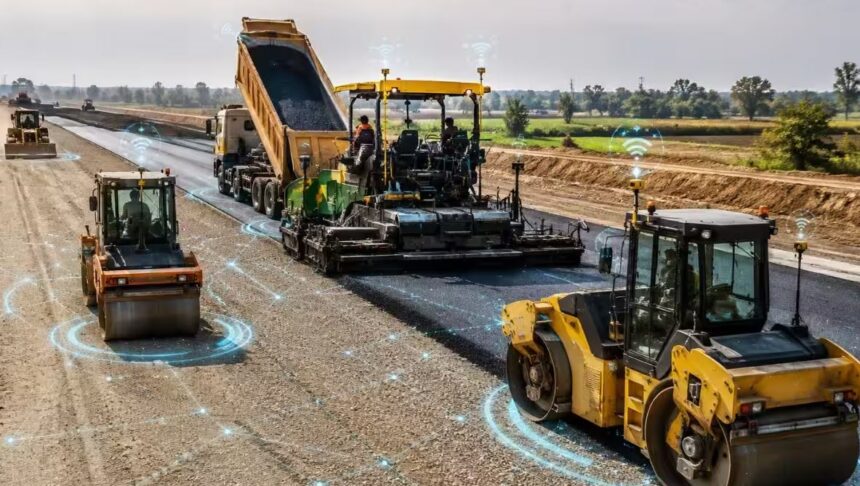
Under the new requirement, contractors executing qualifying highway projects will have to deploy AI-MC technology throughout the construction process. The system uses technology-enabled construction equipment and sensors to capture and share data in real time, allowing construction activities to be monitored more closely and executed with greater precision.
The technology is intended to provide NHAI with real-time visibility into construction activities, including how different machines are being deployed and how work is progressing. By creating a digital record of construction operations, the system is expected to strengthen oversight and make it more difficult to compromise on specified construction standards.
NHAI’s decision comes amid growing concerns regarding the quality and durability of road infrastructure, particularly instances of potholes and premature deterioration on newly constructed highways and expressways. The authority is seeking to use greater automation and data-driven monitoring to ensure that construction is carried out according to prescribed specifications.
The AI-MC system was earlier piloted on the Lucknow–Kanpur Expressway, where the technology was used to support automated construction and monitoring. Following the experience gained from the pilot, NHAI has now moved towards making the technology a mandatory requirement for qualifying large highway projects.
The technology works by integrating sensors and automated controls with construction machinery, enabling equipment to generate real-time information during road-building activities. This data can subsequently be used to monitor execution and improve accuracy across different stages of construction.
The new mandate is part of a broader effort to introduce technology-led quality control in India’s highway construction programme. With large highway projects involving substantial public investment, NHAI is looking to strengthen accountability and ensure that infrastructure assets deliver better durability and performance over their intended life.
The move also represents a shift towards greater use of digital construction technologies and intelligent machinery in India’s road-building sector. By making AI-MC compulsory for projects meeting the specified length and cost criteria, NHAI is seeking to standardise the use of advanced construction-monitoring systems across major highway developments.
Industry participants, however, have indicated that implementation will need to be carefully planned. Some experts have cautioned against a piecemeal rollout and stressed the importance of having a comprehensive implementation framework to ensure that the technology delivers the intended improvements in construction quality.
The initiative comes alongside other measures being considered by the government to strengthen quality oversight of highway infrastructure, including the proposed deployment of third-party inspection agencies to examine around 5,000 km of expressways and highway stretches from construction through completion.
AI-MC now mandatory for qualifying projects, NHAI is positioning automation, real-time data and intelligent construction equipment as important tools for improving the quality, transparency and long-term performance of India’s highway network.