


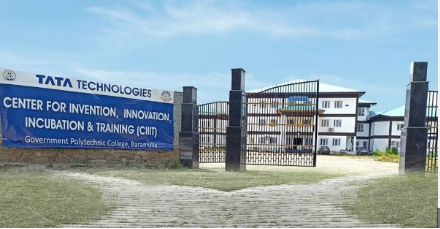
The Maharashtra government has approved the creation of Centres for Invention, Innovation, Incubation and Training (CIIIT) — also known as C-Triple IT — in Nashik and Amravati, in collaboration with Tata Technologies.
The proposal received the green light following Deputy Chief Minister Ajit Pawar’s discussions with Tata Technologies, encouraging the company to set up modern skill development hubs in the two districts. Tata Technologies has now confirmed its participation in the initiative.
These upcoming centres will serve as high-end training facilities, equipping local youth with practical skills in cutting-edge domains such as Artificial Intelligence (AI), Robotics, Internet of Things (IoT), Data Analytics, Automation, and Electric Vehicle (EV) technologies.
Designed to enhance Maharashtra’s industrial ecosystem, the initiative will help build a workforce ready for the global market while boosting employment and entrepreneurship in North Maharashtra (Nashik) and Vidarbha (Amravati).
According to government officials, the centres will supply industries with skilled manpower at the local level, promote the growth of new enterprises, and open up fresh avenues for jobs and self-employment. The hands-on learning environment will also allow students and professionals to gain real-time exposure to the latest industrial tools and technologies.
This move is part of the state’s broader vision to establish a CIIIT in every district, strengthening Maharashtra’s position as a leading hub for advanced technical training. The Maharashtra Industrial Development Corporation (MIDC) has been tasked with identifying and allocating land for these centres in easily accessible, urban-adjacent areas.