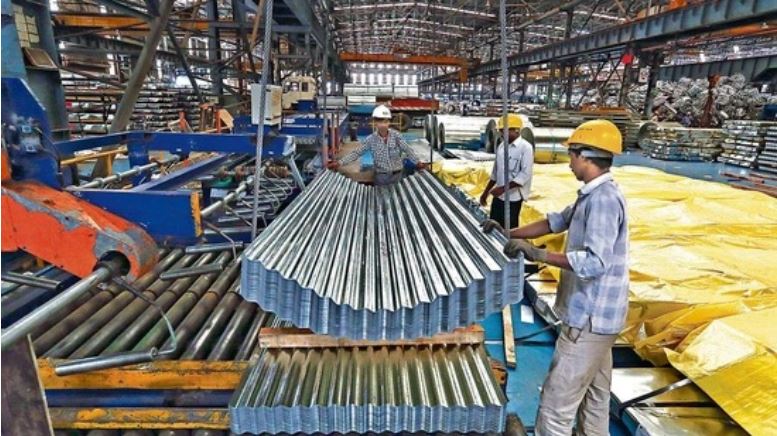
India’s stainless steel industry has sought government intervention as the sector prepares to expand production significantly by the end of the decade.
According to a presentation by the Indian Stainless Steel Developers Association (ISSDA), improving the availability of raw materials and protecting the domestic industry from dumping by China are among the key priorities for the sector.
Industry representatives noted that the stainless steel segment is entering an important phase of growth. Domestic consumption has been rising at a steady pace of around 7–8% annually and crossed 5 million tonnes last year. To meet the increasing demand, producers are planning to expand capacity from about 7 million tonnes to nearly 11 million tonnes.
Industry leaders said the sector is currently at a crucial stage in its growth journey, and ensuring a supportive policy environment will be important for sustaining expansion.
Subhrakant Panda, managing director of Indian Metals & Ferro Alloys Ltd (IMFA), said India’s per capita stainless steel consumption of about 3 kg is expected to double over the next decade. IMFA is also increasing its ferrochrome production to nearly 500,000 tonnes by FY28 and adjusting its sales strategy from being largely export-oriented to a 60:40 domestic-to-export mix to cater to the growing local market.
The industry is also facing increasing pressure due to rising imports and trade restrictions in western markets. Industry data shows that China has excess stainless steel melting capacity of more than 8 million tonnes, a large portion of which is being directed towards markets such as India.
There are also concerns that shipments are sometimes rerouted through other countries, including Vietnam, in order to bypass existing trade safeguards.
Raw material availability remains another key concern. India currently meets only about 15–18% of its nickel requirement domestically, making the sector dependent on imports for a large share of this crucial input.
To strengthen the supply chain, ISSDA has urged the government to designate chromium as a critical mineral, which would help accelerate the operationalisation of auctioned mines.
The industry has also recommended that customs duties on imported inputs such as scrap and ferro alloys be permanently reduced to zero so that domestic manufacturers can remain competitive in global markets.
Industry stakeholders believe that addressing these challenges will be important to support the next phase of growth for India’s stainless steel sector.