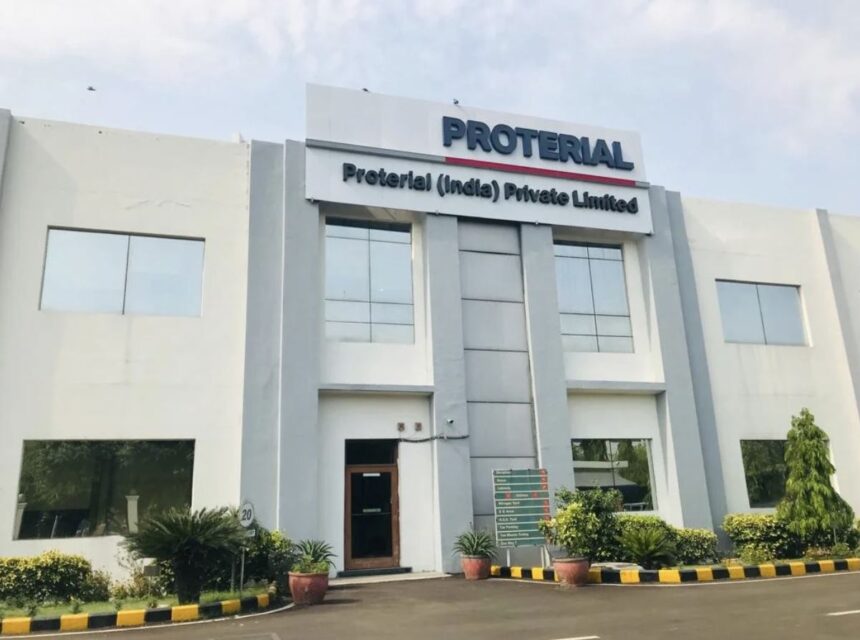
Proterial India, a subsidiary of Japan-based Proterial Private Limited, will invest ₹1,350 crore to establish India’s first amorphous electrical steel manufacturing facility at Sri City in Andhra Pradesh, officials said. The proposed plant is aimed at producing high-end amorphous electrical steel, which is critical for improving the efficiency of power distribution transformers.
The new facility will manufacture advanced electrical steel known as amorphous metal or Metglas, a specialised material used in transformer cores to significantly reduce energy losses during electricity transmission and distribution. Compared with conventional electrical steel, amorphous steel can lower transformer core losses by 20–30 per cent, contributing to improved grid efficiency and reduced operational costs over the lifetime of equipment.
Proterial India has entered into a partnership with Shirdi Sai Electricals, which will hold a 26 per cent equity stake in the project and help facilitate the supply and integration of finished products into the domestic transformer manufacturing ecosystem. The collaboration is expected to strengthen India’s domestic capabilities in producing speciality electrical steel grades that are currently largely imported.
The proposed investment is expected to generate employment opportunities, with more than 500 direct jobs anticipated once operations commence. The plant will also support local supply chains by providing a direct source of advanced materials for transformer makers and related industries, reducing dependence on imports of amorphous steel.
The announcement aligns with broader national initiatives focused on boosting domestic manufacturing under strategic programmes such as Make in India, with an emphasis on critical industrial inputs, value addition and import substitution. By enabling local production of high-efficiency electrical steel, the facility is expected to play a role in enhancing the performance of India’s power infrastructure.
The project’s approval and implementation details, including timelines for commissioning and operational rollout, are expected to be finalised in coordination with government bodies and industry partners.