


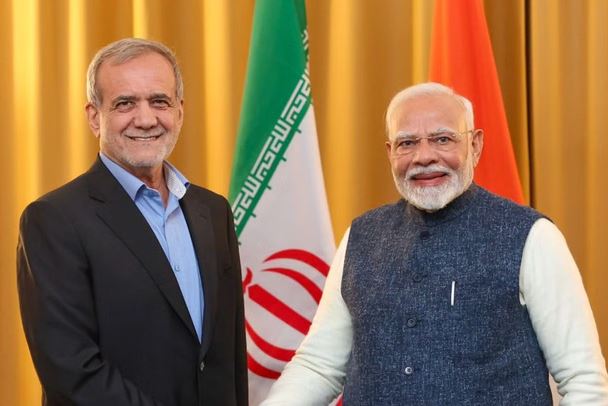
Narendra Modi held a telephonic conversation with Masoud Pezeshkian, President of Iran, amid escalating tensions in West Asia and the ongoing Strait of Hormuz crisis, expressing serious concern over attacks targeting critical energy infrastructure.
During the discussion, the Prime Minister strongly condemned strikes on key infrastructure, particularly oil and gas facilities, highlighting that such actions threaten regional stability and disrupt global supply chains. He emphasized that damage to energy assets has far-reaching consequences, especially for countries dependent on uninterrupted fuel supplies.
Modi also underlined the importance of maintaining freedom of navigation, stressing that shipping routes must remain open and secure. This assumes particular significance in the context of the Strait of Hormuz, a vital global energy corridor through which a substantial portion of the world’s oil and gas trade passes.
The conversation comes at a time when the region is witnessing heightened conflict, with growing concerns over disruptions to maritime traffic and energy flows. The situation has raised alarms globally, as any prolonged disturbance in the Strait could significantly impact energy markets, supply chains, and economic stability.
This was the second interaction between the two leaders since the escalation of hostilities, reflecting India’s continued diplomatic engagement in the region. During the call, both sides also acknowledged the importance of dialogue and de-escalation to restore peace and stability.
The Prime Minister reiterated India’s position that conflicts should be resolved through diplomacy, while also appreciating efforts toward ensuring the safety and security of Indian nationals in the region.
Overall, the exchange highlights India’s growing concern over the evolving geopolitical situation in West Asia, particularly its implications for energy security, maritime trade, and global economic balance.