


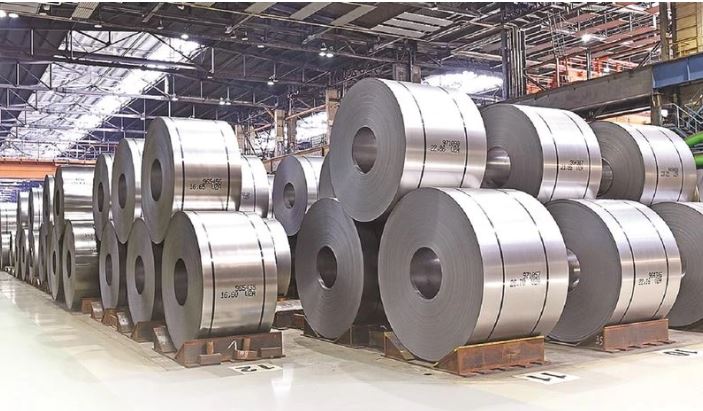
India’s move towards green steel production is expected to be slow and incremental, as high costs and technological constraints continue to limit rapid decarbonisation of the sector. The transition is likely to remain a long-term process rather than an immediate transformation.
At present, Indian steel manufacturers emit around 2.5 tonnes of carbon dioxide per tonne of steel, which is about 12 percent higher than the global average for the blast furnace–basic oxygen furnace (BF-BOF) production route. This highlights the carbon-intensive nature of the country’s dominant steelmaking process.
In December 2024, the government introduced a Green Steel Taxonomy, defining emission-based thresholds for classifying steel as green. While this framework brings clarity to sustainability benchmarks, most domestic producers currently operate well above the highest emission limits specified, underlining the scale of change required.
India is expected to add nearly 80–85 million tonnes of steelmaking capacity by 2030–31. However, a significant share of this expansion is planned through coal-based BF-BOF technology. As a result, the share of this high-emission route is projected to rise from about 45 percent currently to nearly 51 percent by the end of the decade.
Steel producers have announced plans to set up around 9 GW of captive renewable energy capacity, aimed at reducing dependence on fossil-fuel-based electricity. A shift to renewable power could lower emissions by approximately 13 percent for BF-BOF plants and up to 22 percent for DRI-based facilities.
Additional emission reductions are expected through higher scrap usage, improved energy efficiency, waste heat recovery systems, and better iron ore beneficiation. However, expansion of electric arc furnace (EAF) capacity remains constrained due to limited scrap availability in the domestic market.
In the near term, emission reduction efforts will largely depend on operational improvements and increased renewable energy adoption. These measures could help reduce the sector’s average emission intensity by about 19 percent by 2029–30, bringing it down to around 2.0 tonnes of CO₂ per tonne of steel.
Large-scale adoption of green steel through the DRI-EAF route will require a sharp decline in green hydrogen costs. For this pathway to become commercially viable, hydrogen prices would need to fall to around $1.5–1.6 per kg, compared to current levels exceeding $3 per kg. Until then, widespread implementation remains unlikely.
Beyond 2030, demand for green steel is expected to rise as ESG compliance strengthens, industrial buyers seek low-carbon supply chains, and policy support evolves to encourage cleaner production methods.