


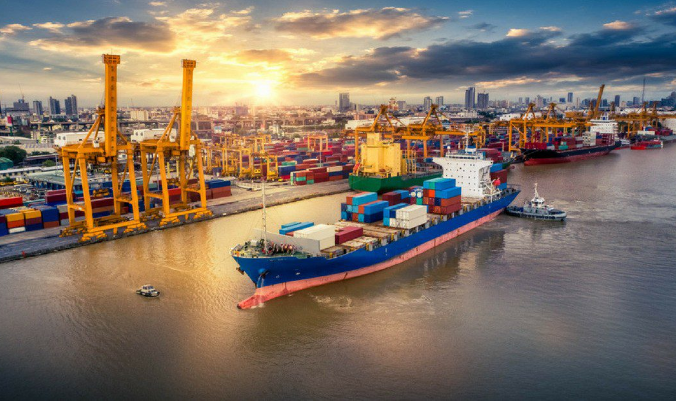
The Gateway Terminals India (GTI), under the aegis of Jawaharlal Nehru Port Authority (JNPA), is set to pilot India’s first automated mooring system (AMS) at its private terminal, marking a major push toward modernising port infrastructure and operations. 
The AMS will mechanise the mooring and unmooring of vessels, a task currently performed manually by dock workers thereby significantly enhancing safety, reducing risks associated with handling heavy mooring lines, and eliminating one of the most dangerous aspects of port work. 
Beyond safety improvements, the initiative aims to boost operational efficiency. By automating the mooring process, GTI expects to shorten vessel turnaround times, enabling quicker berthing and departure. This can improve overall terminal throughput, a key advantage for a busy container gateway like JNPA. 
Terminal officials highlight another strategic benefit: the ability to increase berth capacity without physical expansion. Because AMS requires less separation between docked vessels compared to traditional rope-based mooring, it allows denser use of existing quay space, an important advantage given spatial constraints at ports like Nhava Sheva. 
According to the tender floated by JNPA, the system must handle container vessels ranging from smaller vessels (~10,000 DWT / 150 meters length) to ultra-large ships (~200,000 DWT / 400 meters length). Under ideal conditions, mooring should take 120 seconds or less, and unmooring just 60 seconds. 
With this move, JNPA is once again reinforcing its position as a technology-forward port operator in India, aligning with broader efforts to modernise maritime trade infrastructure and streamline logistics operations.