


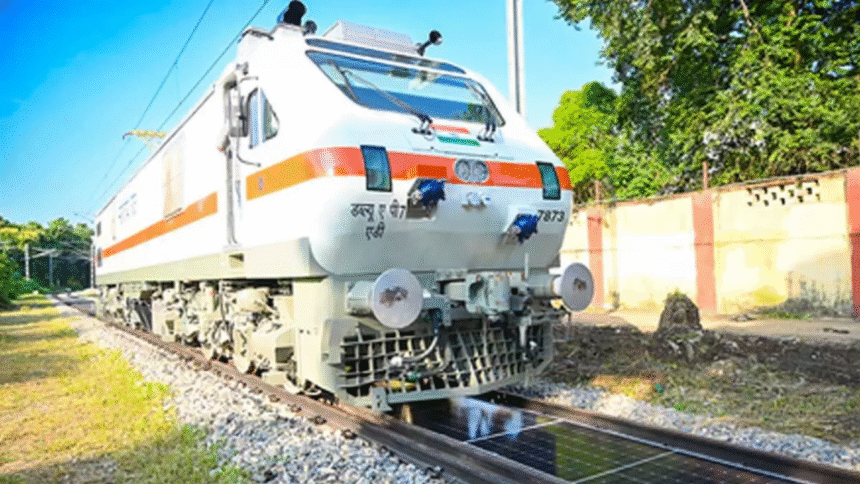
Indian Railways is rapidly stepping up its shift away from traditional diesel locomotives, pushing for engines powered by batteries and alternative green fuels as part of a broader sustainable transport strategy.
The national transporter, having nearly completed electrification of its extensive rail network with only a small fraction of tracks yet to be wired, is now focusing on replacing or retrofitting the remaining diesel locomotives, particularly on short-haul and medium-distance routes. This marks a significant move toward reducing dependence on fossil fuels and cutting greenhouse gas emissions from rail operations.
Under the new approach, diesel engines currently used in yard duties, shunting operations and last-mile freight services which often run on non-electrified or intermittently electrified tracks are set to be phased out. Battery-powered locomotives are being introduced for specific operational roles, while trials and development of hydrogen-fuelled engines are also gaining pace as part of the decarbonisation agenda.
In recent years, pilot projects involving lithium-ion and lithium-ferro phosphate battery technology have been underway, including converting existing diesel engines to operate on battery power. Further innovation includes developing hydrogen propulsion systems with higher power outputs for heavier duties. These technologies complement overhead electrification and offer flexible, zero-emission alternatives where electrification is impractical.
Railway authorities have also highlighted the testing of long hydrogen-powered train sets and expanded battery research, reflecting the sector’s commitment to clean energy solutions. The introduction of such propulsion technologies is positioned as part of Indian Railways’ long-term sustainability goal, balancing operational efficiency with environmental responsibility.
The shift to battery and green fuel engines aligns with India’s wider climate objectives, supporting reduced carbon emissions in the transportation sector and contributing to national targets for cleaner mobility. As the transition accelerates, these alternative traction technologies are expected to play an increasingly important role in India’s rail ecosystem in the years ahead.