Chinese authorities have instructed several steel mills in the country’s northern region to reduce production by at least 30 percent between March 4 and March 11, ahead of the annual parliamentary session scheduled to commence on March 5.
The directive primarily targets mills operating in key industrial hubs surrounding Beijing, where stricter environmental controls are typically enforced during major political events. The temporary curbs are aimed at improving air quality and ensuring stable environmental conditions during the high-profile national gathering.
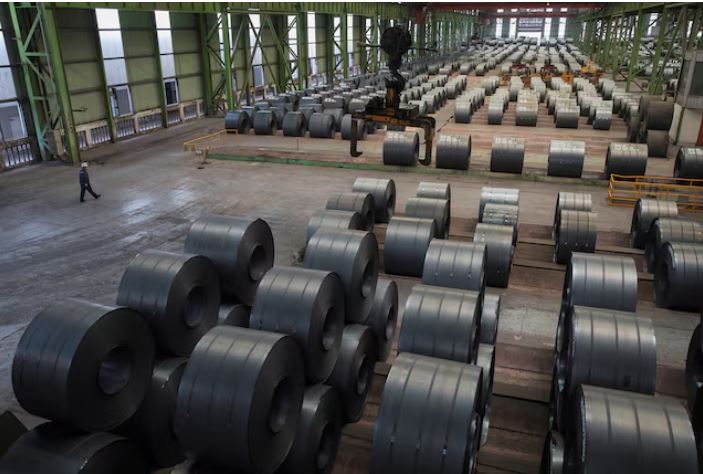
Industry sources indicate that blast furnace operations and major production lines will be scaled down during the specified period. Some steelmakers have reportedly been advised to voluntarily implement the reduction measures to support the broader environmental objective.
The short-term output cuts are expected to influence market dynamics. A temporary slowdown in steel production could limit inventory accumulation and lend support to domestic steel prices. At the same time, reduced output may soften near-term demand for raw materials such as iron ore and coking coal.
March is traditionally a stronger month for steel demand in China, as improving weather conditions typically boost construction and infrastructure activity. Market participants are also closely watching for potential economic policy signals that may emerge during the parliamentary session, which could influence production and procurement decisions in the coming weeks.
The move underscores China’s continued effort to balance industrial activity with environmental management, particularly during periods of national significance.