In a significant boost to rural infrastructure in the Northeast, the Ministry of Rural Development has approved 25 new rural road projects in Tripura at an estimated cost of Rs 68.67 crore. These works have been sanctioned under the Road Connectivity component of the Pradhan Mantri Janjati Adivasi Nyaya Maha Abhiyan (PM-JANMAN), aiming to strengthen access and improve livelihoods in remote parts of the state. 
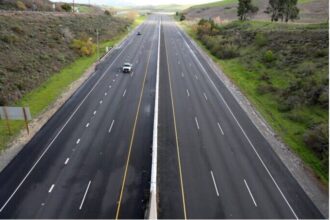
The sanctioned projects cover a total stretch of 65.38 kilometres and are specifically designed to connect 30 habitations of Particularly Vulnerable Tribal Groups (PVTGs) with all-weather roads. These habitations have historically faced challenges in accessing essential services due to poor connectivity. 
According to official statements, the upgraded road network is expected to bring tangible benefits to tribal communities by facilitating better access to healthcare facilities, schools and local markets. All-weather connectivity will make travel safer and more reliable throughout the year, especially during monsoon seasons when rural links can become difficult to navigate. 
Improved roads are also projected to stimulate local economic activity by enabling easier movement of goods and people. This, in turn, could foster trade, generate employment opportunities and strengthen rural commerce across the region. Officials noted that the projects align with the Government of India’s broader vision for a prosperous and inclusive Northeast, contributing to the nationwide goal of building a ‘Viksit Bharat’ (Developed India). 
The PM-JANMAN initiative focuses on creating essential infrastructure in tribal areas, with road connectivity being a key component. By bridging long-standing accessibility gaps, the programme intends to uplift socio-economic conditions and integrate remote communities more closely with urban and economic centres. 
This latest tranche of approvals underscores the central government’s continuing emphasis on rural development and inclusive growth, particularly for communities that have remained underserved due to geographical and logistical challenges.