


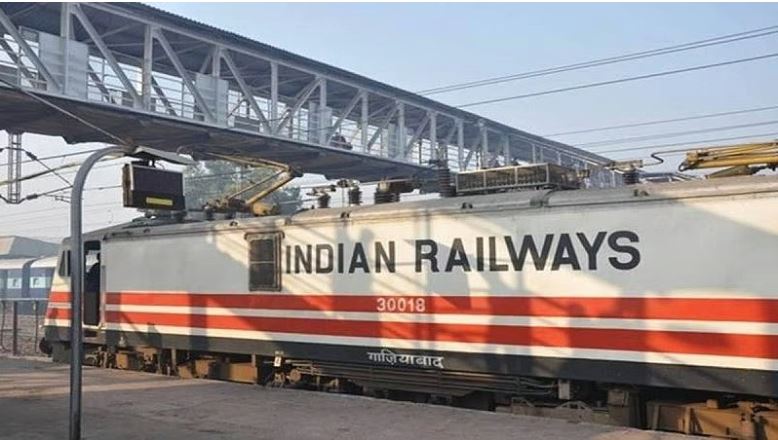
The Cabinet Committee on Economic Affairs (CCEA) has approved railway multi-tracking projects worth ₹9,072 crore aimed at easing congestion, enhancing freight capacity and strengthening connectivity across key mineral and industrial corridors in Maharashtra, Madhya Pradesh, Bihar and Jharkhand.
The three projects together will add approximately 307 kilometres to the Indian Railways network and are scheduled for completion by 2030-31.
Projects Approved
The multi-tracking works cleared include:
•Doubling of the Gondia–Jabalpur section
•Third and fourth line between Punarakh and Kiul
•Third and fourth line between Gamharia and Chandil
These sections span eight districts across the four states and are expected to substantially increase rail capacity on critical freight and passenger routes.
Connectivity and Capacity Enhancements
The expanded lines will improve rail connectivity for around 5,407 villages with a combined population of nearly 98 lakh, enhancing accessibility for both passenger and goods movement.
Upon completion, the projects are projected to facilitate additional freight traffic of about 52 million tonnes per annum (MTPA), enabling smoother transportation of commodities such as coal, steel, cement and other bulk materials.
The projects are aligned with the PM Gati Shakti National Master Plan and are designed to decongest heavily utilised corridors, reduce transit time and improve reliability of train operations.
By increasing line capacity and improving operational efficiency, the initiative is expected to lower logistics costs and strengthen supply chain movement across central and eastern India. The expansion also supports long-term infrastructure modernisation and economic development in high-traffic industrial and mining regions.