The Central Pollution Control Board and the Commission for Air Quality Management (CAQM) have urged urgent implementation of barrier-free tolling across the Delhi-National Capital Region (NCR) as a key measure to reduce vehicular emissions and improve air quality in the region.
Under the barrier-free tolling model, toll plazas would be converted to open road tolling (ORT) systems using electronic payment methods, eliminating the need for vehicles to slow down or stop at toll booths. CAQM officials said eliminating physical barriers at toll points will help reduce idling times and avoid stop-and-go traffic conditions that contribute significantly to emissions of nitrogen oxides (NOx), particulate matter and other pollutants.
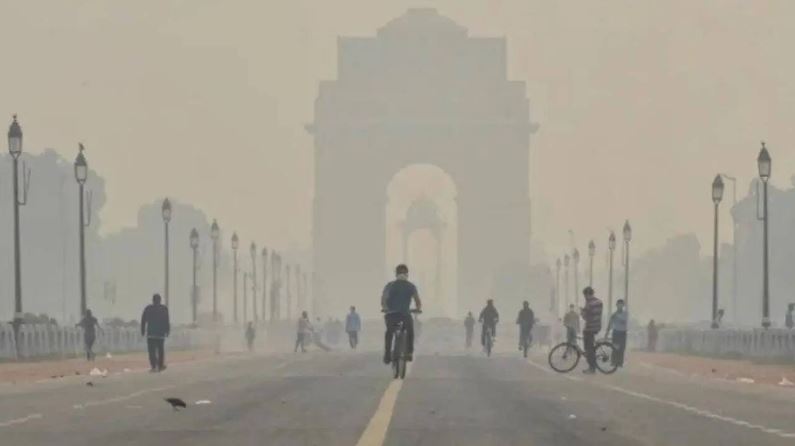
In its recommendations, the commission highlighted that vehicular movement and congestion at toll plazas during peak hours contribute to heightened pollution levels, especially in winter months when air quality in Delhi NCR often deteriorates drastically. Barrier-free tolling is being positioned as an effective intervention to smooth traffic flow, reduce emission hotspots and support broader clean-air objectives.
CAQM has called on relevant road authorities, including national and state transport departments, to accelerate the rollout of ORT systems using Radio Frequency Identification (RFID), FASTag and similar digital transaction technologies. The commission said that coordinated implementation across all toll points within the NCR, including those in neighbouring states of Haryana and Uttar Pradesh is critical to ensure seamless movement and pollution mitigation.
Officials indicated that barrier-free tolling will need to be complemented with supporting measures such as enhanced traffic management, real-time monitoring of emissions, stringent enforcement of vehicular norms and promotion of cleaner fuel adoption. They also emphasised the need for public awareness campaigns to encourage uptake of digital toll payment options.
Traffic experts welcomed the move, noting that open road tolling has been successfully implemented in several countries to reduce congestion, improve fuel efficiency and decrease pollutant emissions at high-traffic corridors. Similar initiatives are expected to align with national efforts to meet air quality targets and protect public health in densely populated urban regions.
The CAQM recommendations have been forwarded to state authorities and transport agencies for action, with calls for a time-bound implementation plan. Authorities said that alignment among multiple jurisdictions in the NCR will be essential for barrier-free tolling to have a measurable impact on air quality, traffic flow and commuter experience.
The NCR, one of India’s most polluted regions during certain months of the year, continues to face challenges from vehicular emissions, industrial activity and seasonal factors. Interventions like barrier-free tolling are part of an integrated strategy being pursued to mitigate pollution and improve environmental outcomes for residents and commuters.