


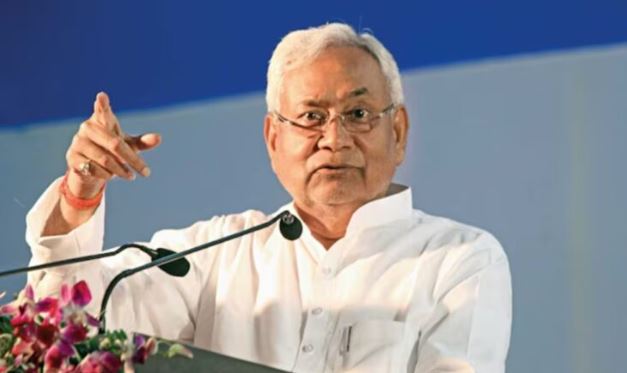
The Bihar cabinet has approved a series of major urban development and infrastructure initiatives aimed at transforming Patna’s urban landscape, strengthening power infrastructure, and accelerating road connectivity projects. The decisions were taken during a cabinet meeting held on 13 January 2026, chaired by Chief Minister Nitish Kumar.
As part of a comprehensive urban renewal push, the cabinet cleared the appointment of a consultancy firm to prepare a mega development and master plan for Rajbanshi Nagar and Shastri Nagar, two prominent areas of the state capital. An allocation of ₹1.59 crore, including GST, has been sanctioned for the planning exercise. The proposed plan will cover both residential and commercial zones, with a focus on structured growth, improved urban amenities, and long-term development planning.
In a significant step toward modernising the city’s power infrastructure, the cabinet approved large-scale funding for underground electricity cabling across Patna. A total of ₹576 crore has been sanctioned for works in nine out of 13 divisions under the Patna Electric Supply Undertaking (PESU). This includes ₹346 crore in central assistance under a national scheme, along with a state contribution of ₹230 crore. Additionally, the cabinet approved ₹76 crore from the state plan fund to extend underground cabling to the remaining four PESU divisions-Danapur, Khagaul, Guljarbagh and Kankarbag-2.
The cabinet also gave its approval for land acquisition required for a key segment of the Patna Ring Road project. An amount of ₹284 crore has been sanctioned to acquire 185 acres of private land spread across 11 revenue villages. The acquired land will be used to construct a six-lane road over an 8.48-kilometre stretch between Kanhauli and Sherpur, including a junction connecting the Bihta–Danapur elevated road. The project is being implemented under the Centre’s Bharatmala programme and is expected to ease congestion by diverting heavy vehicle traffic away from the city, while also driving development along the corridor.
In another administrative decision aimed at supporting infrastructure execution, the cabinet approved the transfer of seven sand ghats in Patna district and two in Vaishali district from the mines and geology department to the Bihar State Road Development Corporation. Officials indicated that the move would help streamline the supply of construction materials and improve coordination for large-scale infrastructure projects.
Collectively, these decisions reflect the state government’s focus on planned urban growth, modern utility infrastructure, and improved road connectivity, positioning Patna for sustained development in the coming years.