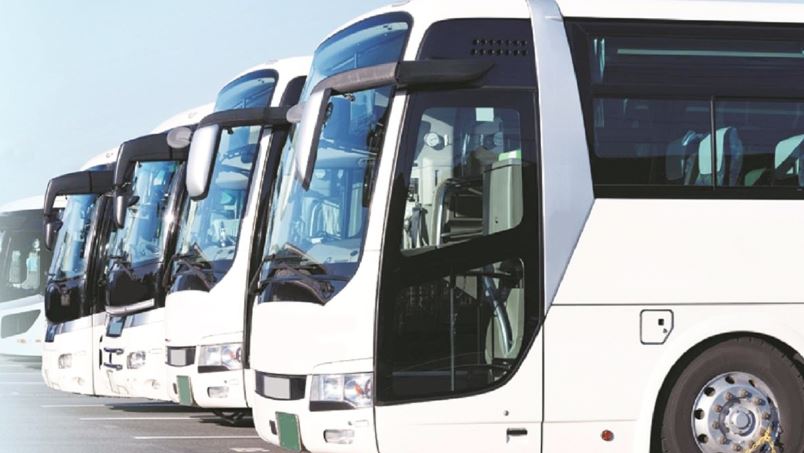
The Centre is accelerating its clean mobility push under the PM e-Bus Sewa scheme, with plans to deploy 10,000 electric buses across 116 cities by 2027, significantly expanding urban public transport capacity.
The rollout will be implemented through a public-private partnership (PPP) model, enabling large-scale adoption of electric buses while reducing the financial burden on state transport undertakings. The programme is aimed at improving urban mobility, reducing emissions, and modernising city bus fleets.
In addition to the current phase, the government is also working on a second, larger scheme to deploy around 35,000 more electric buses, indicating a long-term commitment to electrifying public transport systems across the country.
The initiative comes at a time when Indian cities are witnessing rising demand for efficient and sustainable transport solutions, along with increasing concerns over air pollution and congestion. The large-scale deployment of e-buses is expected to play a key role in reducing carbon emissions and improving air quality in urban areas.
The scheme is backed by substantial investment, with earlier estimates placing the programme cost at over ₹57,000 crore, reflecting the scale of the government’s ambition to transform city transport infrastructure.
Overall, the expansion of the PM e-Bus Sewa programme highlights a multi-phase strategy to electrify public transport, combining immediate deployment targets with long-term scaling plans to support India’s transition toward clean, efficient, and sustainable urban mobility systems.