The Telangana government has decided to restrict excess bidding to a maximum of 5 per cent for major Hybrid Annuity Model (HAM) road projects worth nearly ₹13,000 crore, amid rising concerns over escalating infrastructure costs and inflated contractor quotations.
The move comes as the state accelerates large-scale road infrastructure development under the HAM model while attempting to maintain fiscal discipline and prevent significant cost overruns in upcoming highway and rural road projects.
According to officials, the decision was taken following concerns regarding unusually high excess bids being quoted in road tenders across multiple states. Telangana authorities are aiming to ensure more competitive pricing, transparency, and financial sustainability in infrastructure execution while protecting the state exchequer from inflated project costs.
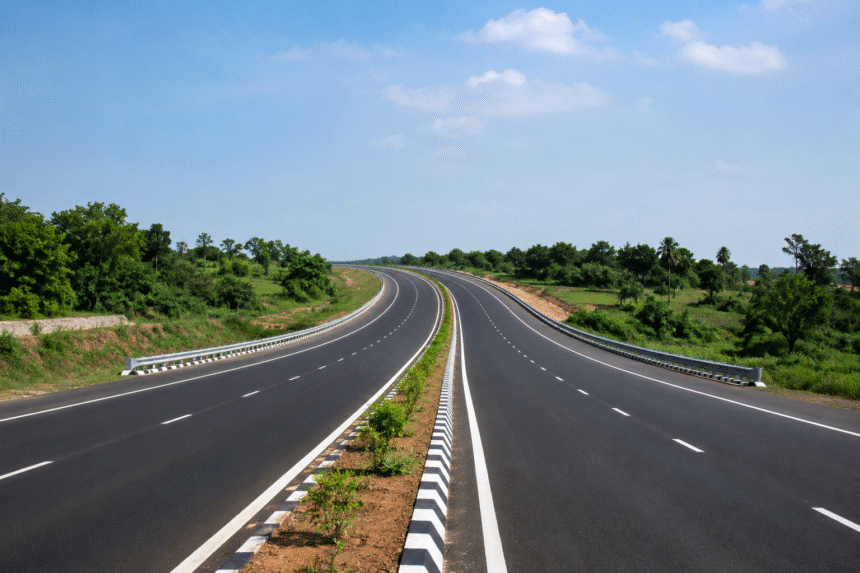
The state government is currently implementing a massive HAM-based road development programme covering hundreds of road works across Telangana. Officials stated that Phase-I alone includes 441 road development projects spanning approximately 6,092 kilometres under the Roads and Buildings Department at an estimated cost of around ₹13,006 crore.
In addition, the Panchayat Raj Engineering Department is executing over 2,100 rural road projects covering nearly 7,450 kilometres under the Telangana Road Development Programme through the HAM framework.
The Hybrid Annuity Model has emerged as a major infrastructure financing mechanism in India, combining government support with private sector investment participation. Under the HAM structure, a portion of project funding is borne by the government while the remaining investment is financed by private concessionaires and repaid over a long-term annuity structure.
Officials noted that construction costs for road projects have increased sharply over the past few years due to rising prices of bitumen, fuel, cement, steel, equipment, labour, GST liabilities, and maintenance obligations. Bitumen prices alone reportedly doubled from around ₹44,000 per metric tonne during initial tendering to nearly ₹89,000 per metric tonne currently.
The issue of inflated bids had also triggered political debate in the state, with opposition leaders alleging that several tenders were receiving quotations significantly above estimated project values, potentially increasing long-term debt liabilities and financial burden on the government.
However, Roads and Buildings Minister Komatireddy Venkat Reddy had clarified that the tender evaluation process was still ongoing and emphasised that HAM projects are essential for improving long-term road quality, maintenance standards, connectivity, and economic growth across Telangana.
Infrastructure experts noted that imposing a cap on excess bidding could help improve procurement discipline and reduce financial risks associated with large-scale infrastructure programmes. At the same time, they cautioned that contractors may continue facing pressure from volatile raw material prices and financing costs.
Telangana has been rapidly expanding its road infrastructure network to support industrial growth, logistics connectivity, rural mobility, and economic development. The HAM-based projects are expected to improve connectivity between villages, mandal headquarters, district centres, and major economic corridors across the state.
Industry observers believe the state’s decision to limit excess bidding could become an important benchmark for future infrastructure procurement policies, especially as governments across India seek to balance rapid infrastructure expansion with tighter financial management and cost control mechanisms.