The Ministry of Ports, Shipping and Waterways has confirmed that more than 3,217 Indian seafarers have been safely repatriated from various locations across the Gulf region amid continuing geopolitical tensions and maritime security concerns in West Asia. Of these, 61 seafarers were brought back to India during the last 96 hours alone.
The update was shared during an inter-ministerial media briefing by Mukesh Mangal, Additional Secretary in the Ministry of Ports, Shipping and Waterways, who stated that all Indian seafarers operating in the region remain safe and no incident involving Indian-flagged vessels or foreign ships carrying Indian crew members has been reported in the past four days.
The repatriation efforts are being coordinated jointly by the Ministry of Ports, Shipping and Waterways, the Ministry of External Affairs, Indian diplomatic missions, shipping companies, and maritime stakeholders as part of India’s ongoing maritime contingency response linked to the evolving security situation around the Persian Gulf and Strait of Hormuz.
Officials also confirmed that maritime operations and cargo handling at Indian ports continue to function normally without congestion despite heightened tensions in the Gulf region, which remains one of the world’s most critical energy and shipping corridors.
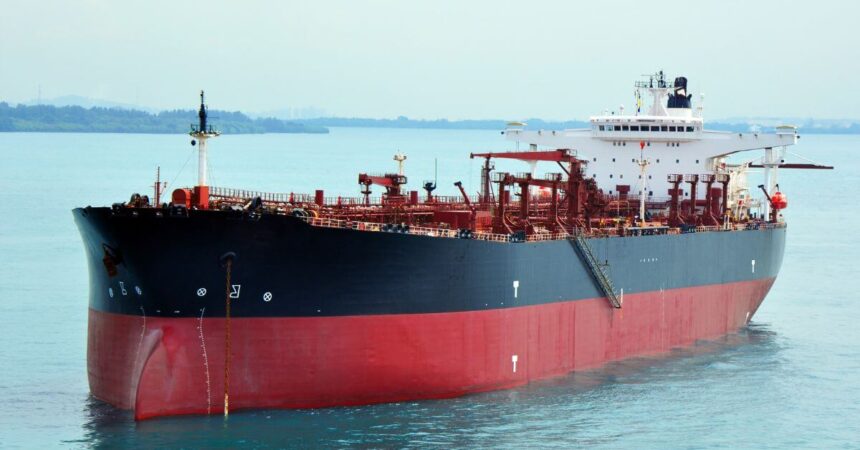
As part of the operational update, authorities highlighted the successful handling of a major LPG cargo shipment at Kandla Port in Gujarat. The Marshall Islands-flagged LPG carrier Symi, carrying nearly 19,965 metric tonnes of LPG cargo for India along with 21 foreign crew members, safely berthed at Kandla on May 16 and completed discharge operations without disruption.
The ministry stated that India’s maritime control room has been functioning continuously to assist seafarers and their families. Since activation, the control room has handled approximately 9,702 calls and more than 21,000 emails, including 436 calls and 996 emails received during the last 96 hours alone.
The Gulf region remains strategically important for India’s energy imports, trade routes, and shipping operations. A substantial share of India’s crude oil, LNG, and LPG imports passes through the Strait of Hormuz, making uninterrupted maritime movement critical for national energy security
Indian authorities have been closely monitoring vessel movement in the region since the escalation of tensions earlier this year. The government has also coordinated naval surveillance, maritime advisories, and operational support to ensure the safety of Indian-flagged vessels and Indian crew members operating near sensitive maritime zones.
Industry experts noted that the large-scale repatriation effort reflects India’s growing maritime crisis-management capabilities and highlights the importance of coordinated shipping, diplomatic, and naval responses during periods of geopolitical instability affecting global trade routes.