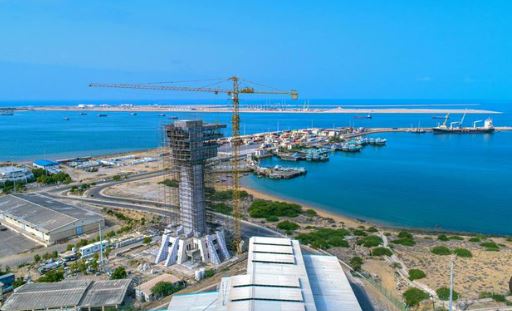
India is actively engaging in diplomatic discussions with both the United States and Iran to safeguard its strategic interests at the Chabahar Port, as uncertainty looms over the future of sanctions waivers governing the project.
The current US sanctions waiver, which allows India limited operational flexibility at the port, is nearing expiry, prompting New Delhi to intensify negotiations with Washington. At the same time, parallel discussions are underway with Tehran to explore alternative operational arrangements, ensuring continuity of India’s role even if sanctions tighten further.
The port holds significant geopolitical and economic importance for India, serving as a critical gateway to Afghanistan and Central Asia, while enabling trade routes that bypass Pakistan. Given its strategic value, Indian officials have indicated that withdrawing from the project is not an option, and efforts are focused on finding a workable diplomatic solution.
India had earlier secured a time-bound waiver from the US, granted in late 2025, to continue its involvement in the port’s development and operations. However, with escalating tensions between the US and Iran and evolving geopolitical dynamics, the future of this exemption remains uncertain, adding urgency to ongoing negotiations.
In parallel, India is also examining local management or partnership models with Iran, which could help maintain its operational presence at the port without directly violating sanctions frameworks. This reflects a calibrated approach aimed at balancing strategic interests with compliance risks.
The developments come amid broader regional instability, including disruptions in West Asia that have heightened concerns around trade routes, energy security, and maritime logistics. Ensuring continuity at Chabahar is therefore seen as crucial not only for connectivity but also for India’s long-term regional influence and supply chain resilience.
As discussions continue, the outcome will play a decisive role in determining the future of India’s engagement with one of its most strategically important overseas infrastructure projects.