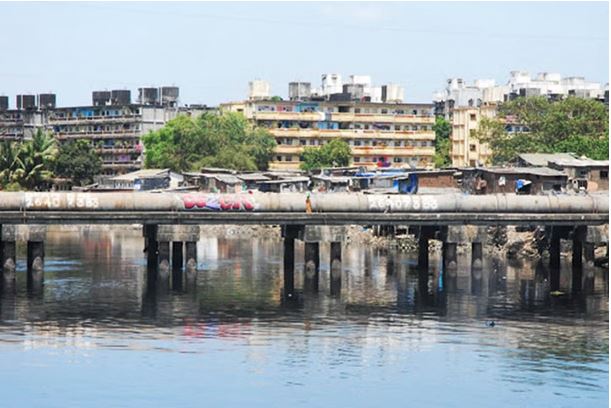
The Maharashtra Cabinet has approved the formation of the Maharashtra State River Rejuvenation Authority (MSRRA), a dedicated apex body tasked with restoring 54 polluted river stretches across the state, the highest number recorded in India as per recent assessments.
The decision was taken at a Cabinet meeting chaired by the Chief Minister, who will also head the authority. The body will function as a central coordinating institution, bringing together multiple departments such as environment, water resources, urban development, rural development, and industry to ensure a unified approach towards river conservation and pollution control.
The authority has been designed to address basin-level river rejuvenation, going beyond isolated interventions. It will approve detailed project reports (DPRs), oversee implementation of restoration plans, and monitor all schemes related to river pollution across the state.
A major financial framework has also been outlined for the initiative. The state plans to mobilise around ₹2,000 crore over five years, supported by contributions from the Maharashtra Pollution Control Board (MPCB), annual budgetary allocations, and additional funding sources such as CSR contributions and international agencies.
In terms of implementation, the authority will prioritise key polluted rivers such as the Godavari, Bhima (Chandrabhaga), Indrayani, Mula, Mutha, and Nag, focusing on improving water quality through better sewage treatment, industrial discharge regulation, and riverbank protection measures.
The initiative comes in response to long-standing concerns over river pollution in Maharashtra, where untreated sewage and industrial effluents remain the primary sources of contamination.
The new authority will also work on removing bottlenecks such as encroachments, land acquisition issues, and infrastructure gaps, while ensuring time-bound execution through regular monitoring.
Additionally, the MSRRA will integrate technical expertise from institutions such as IITs and NEERI, and align its approach with national programmes like river basin management and rejuvenation models implemented elsewhere in the country.
By institutionalising a high-level, multi-departmental mechanism, Maharashtra aims to create a structured and scalable framework for river restoration, addressing environmental degradation while improving water security, public health, and ecological sustainability across the state.